Shahbaaz
Although the Kahn family had been developing a mastery of Quwwali (the singing of the devotional music of Islam) for over 600 years, Nusrat Fateh Ali Kahn originally had no intention of following the family tradition. It was a recurring dream--in which he was performing at a famous Muslim shrine at Ajmer, India--that finally convinced Nusrat to take up the study. Astonishingly, his dream came true in 1979. While visiting the same temple as a pilgrim, he was invited inside to sing. Nusrat was the first Qawwal ever to receive this honor.
Upon hearing Kahn's astonishingly elastic and superhuman voice, neither this story nor the artist's subsequent rise to international success seems unbelievable. SHAHBAAZ contains five tracks. In each, Kahn's ecstatic power casts loops and nets into the ether as though the singer is trying to capture heaven itself. Tablas and harmonium provide most of the backing throughout the record. On the extended "Jewleh Lal" he seems to be singing himself into a transcendental state amid the surging accompaniment. An excellent example of a rare, beautiful, and rightfully sacred music, SHAHBAAZ is one of Kahn's finest recordings.
Upon hearing Kahn's astonishingly elastic and superhuman voice, neither this story nor the artist's subsequent rise to international success seems unbelievable. SHAHBAAZ contains five tracks. In each, Kahn's ecstatic power casts loops and nets into the ether as though the singer is trying to capture heaven itself. Tablas and harmonium provide most of the backing throughout the record. On the extended "Jewleh Lal" he seems to be singing himself into a transcendental state amid the surging accompaniment. An excellent example of a rare, beautiful, and rightfully sacred music, SHAHBAAZ is one of Kahn's finest recordings.
$18.90
Original: $63.00
-70%Shahbaaz—
$63.00
$18.90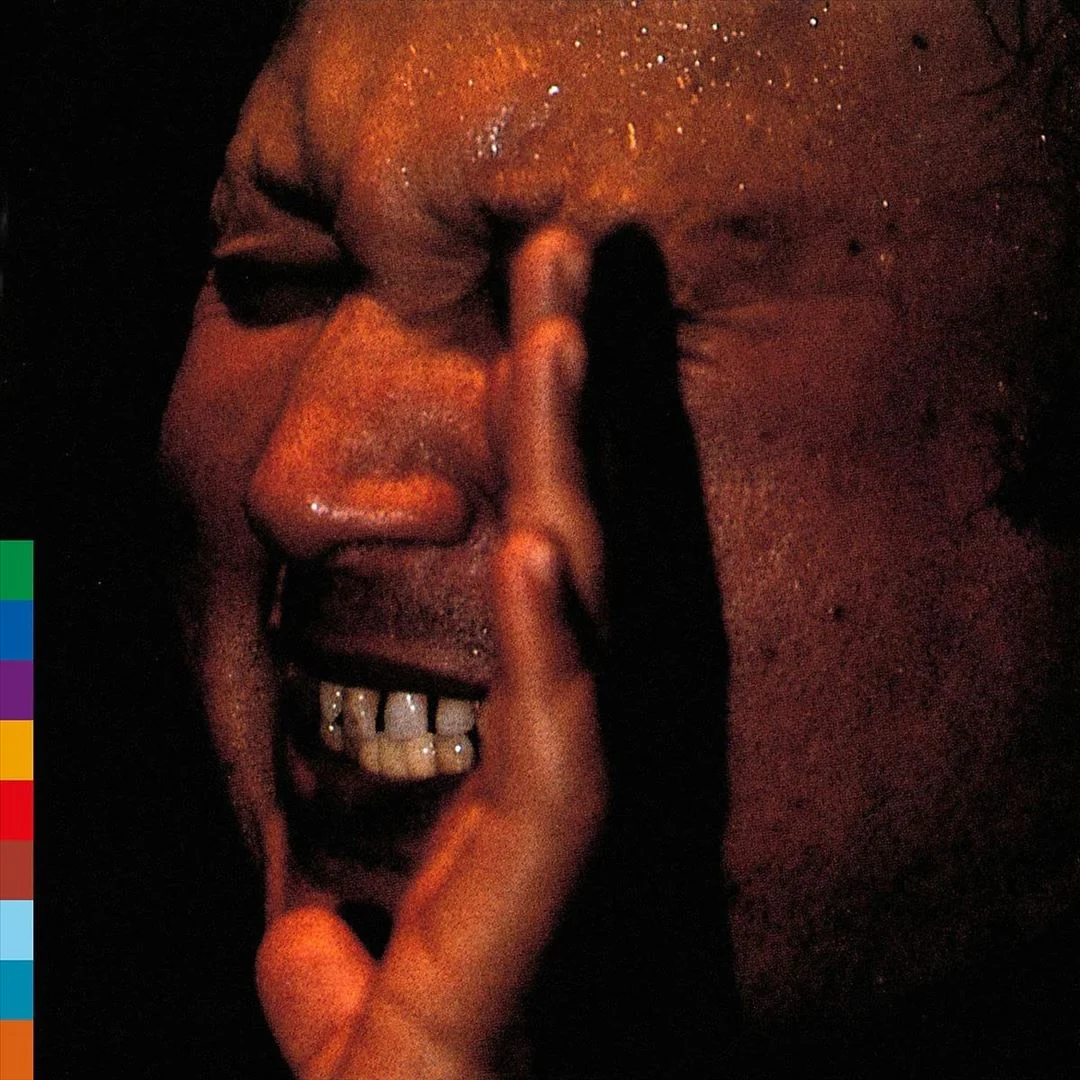
Description
Although the Kahn family had been developing a mastery of Quwwali (the singing of the devotional music of Islam) for over 600 years, Nusrat Fateh Ali Kahn originally had no intention of following the family tradition. It was a recurring dream--in which he was performing at a famous Muslim shrine at Ajmer, India--that finally convinced Nusrat to take up the study. Astonishingly, his dream came true in 1979. While visiting the same temple as a pilgrim, he was invited inside to sing. Nusrat was the first Qawwal ever to receive this honor.
Upon hearing Kahn's astonishingly elastic and superhuman voice, neither this story nor the artist's subsequent rise to international success seems unbelievable. SHAHBAAZ contains five tracks. In each, Kahn's ecstatic power casts loops and nets into the ether as though the singer is trying to capture heaven itself. Tablas and harmonium provide most of the backing throughout the record. On the extended "Jewleh Lal" he seems to be singing himself into a transcendental state amid the surging accompaniment. An excellent example of a rare, beautiful, and rightfully sacred music, SHAHBAAZ is one of Kahn's finest recordings.
Upon hearing Kahn's astonishingly elastic and superhuman voice, neither this story nor the artist's subsequent rise to international success seems unbelievable. SHAHBAAZ contains five tracks. In each, Kahn's ecstatic power casts loops and nets into the ether as though the singer is trying to capture heaven itself. Tablas and harmonium provide most of the backing throughout the record. On the extended "Jewleh Lal" he seems to be singing himself into a transcendental state amid the surging accompaniment. An excellent example of a rare, beautiful, and rightfully sacred music, SHAHBAAZ is one of Kahn's finest recordings.