Dónde Jugarán Las Niñas
Molotov: Tito Fuentes (vocals, guitar); Micky "Huidos" Huidobro (vocals, bass); Paco Avala (bass); Randy "El Gringo Loco" Ebright (drums).
Additional personnel: Gustavo Santaolalla (guitar, percussion); Ramon Flores (trumpet); Anibal Kerpel (vibraphone, teclados); Gene Corral (marimba); Tono (teclados, programming, scratches); Ellis Hall (teclades); Paco Huidobro (programming).
Engineers: Tony Peluso, Gordon Suffield, John Chamberlain.
Recorded at Can-Am Recorders, Tarzana, California; Ocean, Burbank, California; Sunset Sound Factory, Hollywood, California.
DONDE JUGARAN LAS NINAS? was nominated for a 1998 Grammy Award for Best Latin Rock/Alternative Performance.
By the end of the '90s, hip-hop-informed metal had not only become familiar, it had become the sound of disaffected teens, not only in America but throughout the world. Usually, American groups could be successful in other countries -- Europe, Latin America -- but the reverse was never true. That all changed with Molotov and their album, ¿Dónde Jugarán las Niñas? Picking up where Licensed to Ill left off, Molotov come across as a wilder Rage Against the Machine, with more affection for grooves and fun -- all of which makes their social commentary cut a bit deeper. Of course, many American audiences didn't understand the meaning of the lyrics -- they understood that the relentless rhythms swung the heavy guitars more nimbly than most homegrown rap-metal outfits, which makes the record simply sound better than most of its ilk. And make no mistake about it, it's the sound (along with the teen sex cover, which could be seen as very offensive by many observers, both conservative and liberal) that will sell them in the U.S., and for good reason -- they're better than most of their peers. ~ Stephen Thomas Erlewine
Additional personnel: Gustavo Santaolalla (guitar, percussion); Ramon Flores (trumpet); Anibal Kerpel (vibraphone, teclados); Gene Corral (marimba); Tono (teclados, programming, scratches); Ellis Hall (teclades); Paco Huidobro (programming).
Engineers: Tony Peluso, Gordon Suffield, John Chamberlain.
Recorded at Can-Am Recorders, Tarzana, California; Ocean, Burbank, California; Sunset Sound Factory, Hollywood, California.
DONDE JUGARAN LAS NINAS? was nominated for a 1998 Grammy Award for Best Latin Rock/Alternative Performance.
By the end of the '90s, hip-hop-informed metal had not only become familiar, it had become the sound of disaffected teens, not only in America but throughout the world. Usually, American groups could be successful in other countries -- Europe, Latin America -- but the reverse was never true. That all changed with Molotov and their album, ¿Dónde Jugarán las Niñas? Picking up where Licensed to Ill left off, Molotov come across as a wilder Rage Against the Machine, with more affection for grooves and fun -- all of which makes their social commentary cut a bit deeper. Of course, many American audiences didn't understand the meaning of the lyrics -- they understood that the relentless rhythms swung the heavy guitars more nimbly than most homegrown rap-metal outfits, which makes the record simply sound better than most of its ilk. And make no mistake about it, it's the sound (along with the teen sex cover, which could be seen as very offensive by many observers, both conservative and liberal) that will sell them in the U.S., and for good reason -- they're better than most of their peers. ~ Stephen Thomas Erlewine
$28,000.00
Dónde Jugarán Las Niñas—
$28,000.00
Description
Molotov: Tito Fuentes (vocals, guitar); Micky "Huidos" Huidobro (vocals, bass); Paco Avala (bass); Randy "El Gringo Loco" Ebright (drums).
Additional personnel: Gustavo Santaolalla (guitar, percussion); Ramon Flores (trumpet); Anibal Kerpel (vibraphone, teclados); Gene Corral (marimba); Tono (teclados, programming, scratches); Ellis Hall (teclades); Paco Huidobro (programming).
Engineers: Tony Peluso, Gordon Suffield, John Chamberlain.
Recorded at Can-Am Recorders, Tarzana, California; Ocean, Burbank, California; Sunset Sound Factory, Hollywood, California.
DONDE JUGARAN LAS NINAS? was nominated for a 1998 Grammy Award for Best Latin Rock/Alternative Performance.
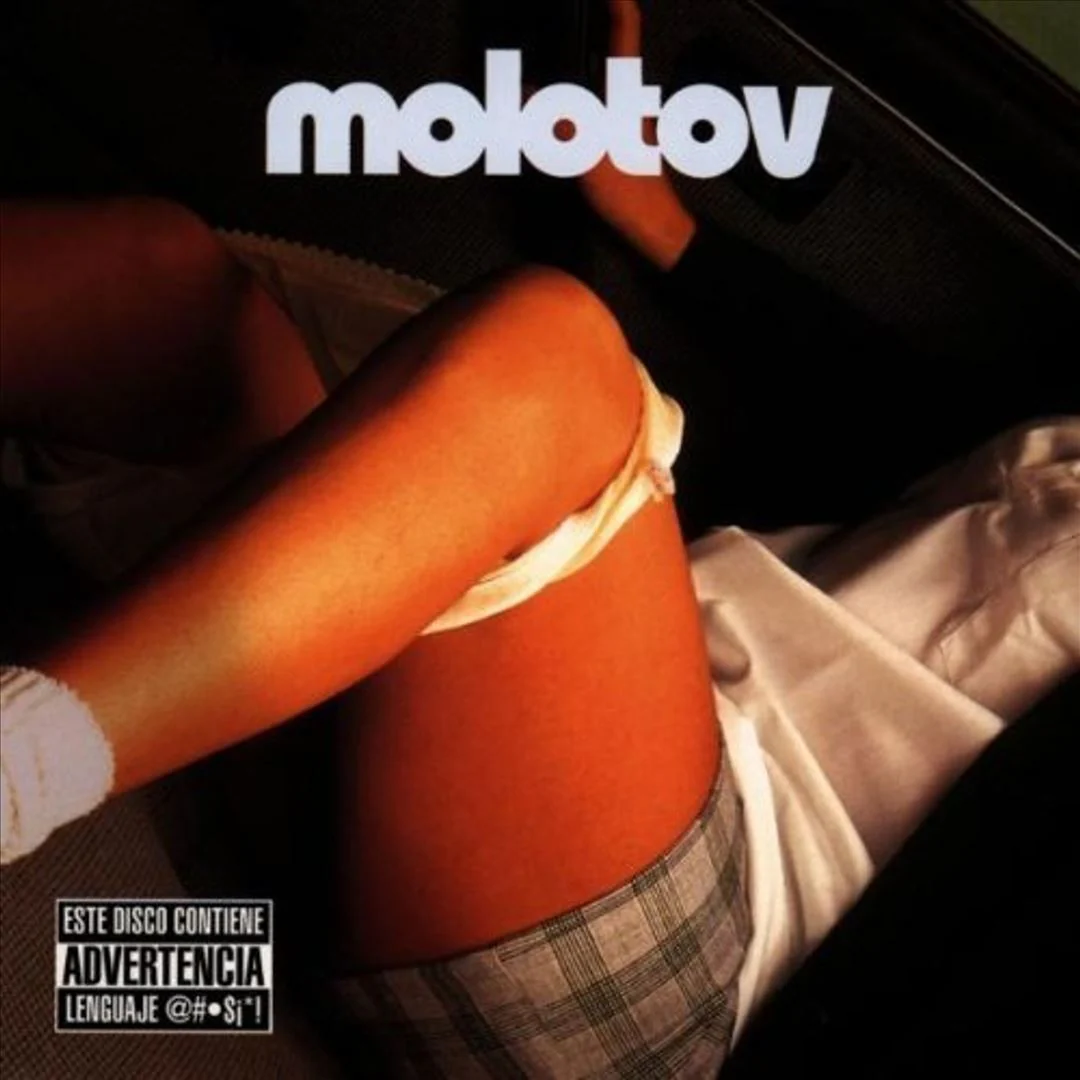
By the end of the '90s, hip-hop-informed metal had not only become familiar, it had become the sound of disaffected teens, not only in America but throughout the world. Usually, American groups could be successful in other countries -- Europe, Latin America -- but the reverse was never true. That all changed with Molotov and their album, ¿Dónde Jugarán las Niñas? Picking up where Licensed to Ill left off, Molotov come across as a wilder Rage Against the Machine, with more affection for grooves and fun -- all of which makes their social commentary cut a bit deeper. Of course, many American audiences didn't understand the meaning of the lyrics -- they understood that the relentless rhythms swung the heavy guitars more nimbly than most homegrown rap-metal outfits, which makes the record simply sound better than most of its ilk. And make no mistake about it, it's the sound (along with the teen sex cover, which could be seen as very offensive by many observers, both conservative and liberal) that will sell them in the U.S., and for good reason -- they're better than most of their peers. ~ Stephen Thomas Erlewine
Additional personnel: Gustavo Santaolalla (guitar, percussion); Ramon Flores (trumpet); Anibal Kerpel (vibraphone, teclados); Gene Corral (marimba); Tono (teclados, programming, scratches); Ellis Hall (teclades); Paco Huidobro (programming).
Engineers: Tony Peluso, Gordon Suffield, John Chamberlain.
Recorded at Can-Am Recorders, Tarzana, California; Ocean, Burbank, California; Sunset Sound Factory, Hollywood, California.
DONDE JUGARAN LAS NINAS? was nominated for a 1998 Grammy Award for Best Latin Rock/Alternative Performance.
By the end of the '90s, hip-hop-informed metal had not only become familiar, it had become the sound of disaffected teens, not only in America but throughout the world. Usually, American groups could be successful in other countries -- Europe, Latin America -- but the reverse was never true. That all changed with Molotov and their album, ¿Dónde Jugarán las Niñas? Picking up where Licensed to Ill left off, Molotov come across as a wilder Rage Against the Machine, with more affection for grooves and fun -- all of which makes their social commentary cut a bit deeper. Of course, many American audiences didn't understand the meaning of the lyrics -- they understood that the relentless rhythms swung the heavy guitars more nimbly than most homegrown rap-metal outfits, which makes the record simply sound better than most of its ilk. And make no mistake about it, it's the sound (along with the teen sex cover, which could be seen as very offensive by many observers, both conservative and liberal) that will sell them in the U.S., and for good reason -- they're better than most of their peers. ~ Stephen Thomas Erlewine